How Much Does It Cost to Add a Second Story? [2026 Data]
Adding a second story typically costs $200 to $500 per square foot in 2026, putting a 1,000-square-foot addition around $200,000 to $500,000. A smaller partial second story may start near




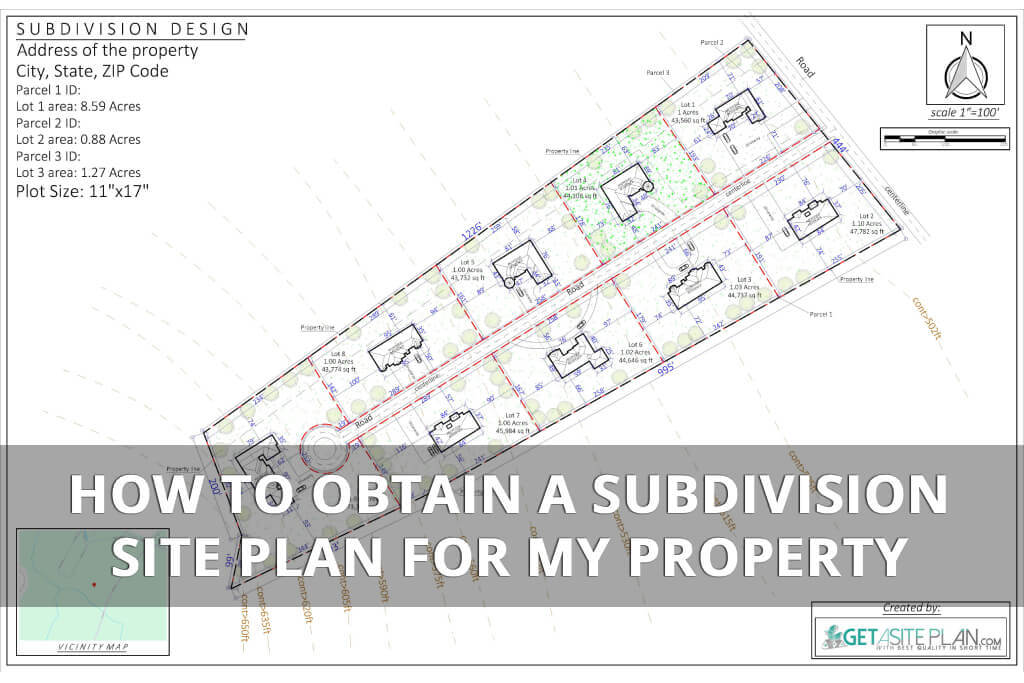

If you’re a property owner planning to build, make improvements, or divide your land, one of the first things you’ll need is a subdivision site plan.
However, navigating the process of how to obtain a subdivision site plan can be confusing – there are multiple ways to access one, each with its pros and cons.
This guide walks you through seven different methods, explains why a site plan matters, and shows you how to save time and money.
In the sections below, you’ll learn about seven proven methods for obtaining a subdivision site plan, from free local resources to fast online services.
Before going into details, here’s a table below as a quick summary of all the different ways to obtain a subdivision site plan, helping you compare cost, timeframe, and best use cases at a glance.
| Method | Cost | Timeframe | Accuracy | Best For |
| County Office | Free – $25 | 1–7 days | Moderate | Historic plat maps, basic records |
| Title Company | Free | 1–3 days | Moderate | Recent buyers/refinancing |
| Licensed Surveyor or Engineer | $800 – $2,500+ | 1–3 weeks | High | Legal subdivisions, certified permits |
| Builder or Developer | Free | 1–5 days | Moderate | Newer subdivisions, HOA layouts |
| HOA | Free | 1–2 days | Low | HOA approvals for small projects |
| Old Closing Docs | Free | Instant | Low | Quick reference only |
| Ordering Online (GetASitePlan) | $89 – $359 | 1–3 days | High (non-certified) | Fast permits, planning, small to mid-sized projects |
Table 1: Seven ways to obtain a subdivision site plan with cost, time, and best uses.
However, if your goal isn’t just to view or verify boundaries, but to actually submit your subdivision for approval, you’ll need a subdivision design – a more complete version of your site plan that includes grading, utilities, access, and drainage details.
Nevertheless, you can obtain a subdivision site plan for your property in seven different ways:

Let’s break down each option below.
Begin by reaching out to your city’s planning or zoning office, or the county recorder’s department. These offices usually keep official plat maps and recorded subdivision plans.
What you’ll need to obtain subdivision site plan from local city or county office:
You may need to request, file, or register documents in person, though some areas now have online portals.
Pros:
✅ Usually free or very low cost
✅ Legal, certified, municipal documents
✅ Directly connected to regulatory authority
Cons:
❌ Often requires in-person visits
❌ Limited business hours
❌ Records can be outdated or incomplete
❌ Not always available digitally

If you recently bought or refinanced your property, your title company may still have subdivision plans, boundary surveys, or recorded plat maps in their files.
Pros:
✅ Often free since it’s part of prior services
✅ Includes legal documents tied to your ownership
Cons:
❌ Only helpful if your transaction was recent
❌ May not reflect current structures or improvements
❌ Doesn’t always include all required plan details
For the highest level of accuracy and certification, hire a licensed surveyor or civil engineer to obtain subdivision site plan.
Licensed Land Surveyor or Civil Engineer will Provide:
Hiring licensed land surveyor or civil engineer is required when:
Additionally, if your municipality doesn’t require a stamped plan, you can save thousands by opting for a professionally prepared subdivision design online, like the ones from GetASitePlan team.
Pros:
✅ Highly accurate and legally binding
✅ Accepted by every zoning and planning authority in the U.S.
Cons:
❌ Expensive – usually $800 to $2,500+ depending on complexity
❌ Takes time – typically 1 to 3 weeks for completion
❌ Often more than you need for smaller projects like fences or decks

If your home is part of a newer subdivision, the builder or developer may still have original subdivision layouts and detailed plans on record.
Pros:
✅ May include full infrastructure details and HOA-approved designs
✅ Often free if they still have digital files
Cons:
❌ Builder must still be in business and willing to share documents
❌ May not reflect current changes to the property
❌ Harder to track down if development is older
If you’re lucky, your HOA may still have your plan tucked away in its approval records. Many HOAs require residents to submit site plans before making changes like adding pools, decks, or fences. This means they may keep subdivision plats and property layouts on file.
Pros:
✅ Easy access for HOA members
✅ Free or low cost
Cons:
❌ Plans may be simplified or outdated
❌ Not always sufficient for permits or zoning applications
Dig through your old closing packet, deed paperwork, or tax records. You may already have a plat map or a preliminary site plan.
Pros:
✅ Instantly accessible if you saved the documents
✅ Can confirm lot size, boundaries, and original structures
Cons:
❌ Often low detail and not to scale
❌ Usually not approved for permits
❌ May lack key elements like easements or setbacks
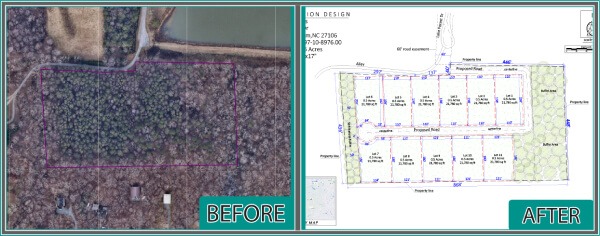
GetASitePlan offers a modern, online way to purchase a professional subdivision site plan without the hassle of in-person visits or scheduling a field survey.
Here’s the process of obtaining subdivision site plan online:
Pros:
✅ Saves timeframe and cost compared to hiring a surveyor
✅ Simple, streamlined accessibility from anywhere in the U.S.
✅ Professional quality suitable for many zoning and permit uses
Cons:
❌ Not a legal survey and cannot replace a certified, stamped plan if required by your municipality
❌ Some jurisdictions may need additional documentation or a boundary verification
However, before ordering, always confirm with your local planning department that a non-certified plan is acceptable. If they confirm it’s acceptable, this is often the most convenient and cost-effective option for homeowners.
Yes in many areas, you can use online subdivision site plans for permit applications – but you need to verify local requirements first.
Some municipalities and planning departments accept non-certified subdivision site plans for permits like pools, fences, or decks. Others require a stamped, certified plan from a licensed surveyor.
To avoid delays:
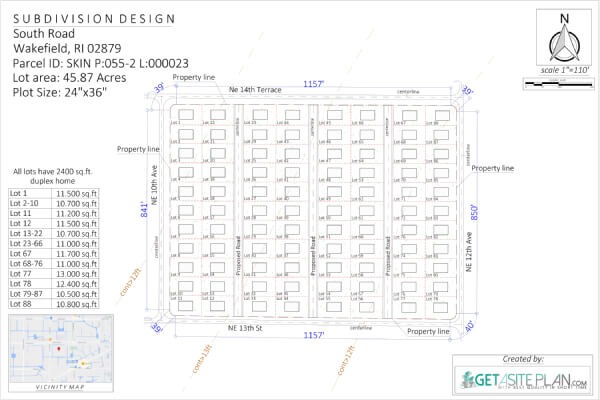
Obtaining a subdivision site plan for your property is crucial as it shows property boundaries, proposed lot divisions, existing structures, easements, driveways, and other key features of a parcel.
Here’s why subdivision site plan is so important:
Once your subdivision site plan confirms your property details, the next logical step is preparing a full Subdivision Design – a document your municipality will require for actual subdivision approval.
Check your property tax bill, county assessor’s website, or closing documents.
Look up your parcel on your county’s property records portal or contact the planning department for a plat map.
Call your municipality’s zoning office or planning department. Ask if they accept non-certified plans for your specific permit type.
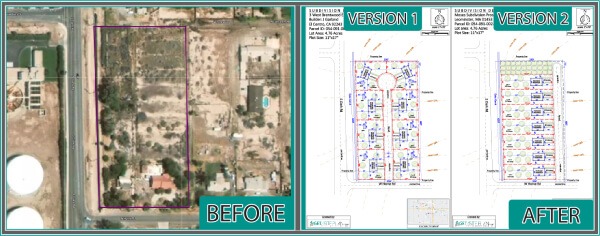
Getting the right subdivision site plan doesn’t have to be complicated or costly. While county offices, title companies, and surveyors all have their place, GetASitePlan offers the fastest and most affordable way to get a subdivision site plan.
With quick delivery, professional quality, and free revisions, it’s the ideal choice for most U.S. homeowners and property owners who want to move their project forward with confidence.

Adding a second story typically costs $200 to $500 per square foot in 2026, putting a 1,000-square-foot addition around $200,000 to $500,000. A smaller partial second story may start near
Ten practical site plan examples cover most homeowner needs: existing property, additions, ADUs, decks, pools, fences, detached structures, driveways, grading, and septic systems. Together, they show how proposed work fits

The lowest-cost container home plan usually uses one 20- or 40-foot unit, retains most sidewalls, and places the kitchen and bathroom on one utility wall. Moderate budgets can support two
