You do not need to surround an entire property with an expensive fence to gain privacy. In many yards, the cheapest solution is to block the specific line of sight between a neighbor and the area you actually use.
A short fence section, freestanding privacy panel, lattice with climbing plants, strategically placed shrubs, or a combination of several methods can screen a patio, deck, pool area, or backyard seating space for far less than a full perimeter fence.
Before installing anything permanent, check local fence height, setback, easement, and permit rules. Requirements vary by city, county, HOA, property type, and location on the lot.
At Get a Site Plan, we prepare non-certified site plans and other property drawings online for homeowners and contractors. A site plan can show a proposed fence, property layout, approximate property lines, setbacks, existing structures, and other features when your permitting authority or HOA requests one.
We do not issue permits, and our plans do not replace a licensed surveyor, architect, or engineer when one is required. Your local authority having jurisdiction (AHJ) determines the requirements for your project.
Cheap Privacy Options at a Glance
The best option depends on how much space you need to screen and how quickly you need privacy.
Privacy option
Upfront cost
Privacy speed
Best use
Outdoor curtain
Very low
Immediate
Porch or covered patio
Shade cloth
Very low
Immediate
Deck, patio or existing fence
Reed or rolled screen
Low
Immediate
Existing fence or railing
Lattice panel
Low
Immediate to gradual
Patio or garden
Freestanding screen
Low to moderate
Immediate
Small seating area
Short wood fence
Moderate
Immediate
Property edge or patio
Trellis with vines
Low
Gradual
Narrow spaces
Shrubs and grasses
Low to moderate
Gradual
Natural backyard screening
Mixed hedge
Moderate
Gradual
Long-term property screening
1. Build a Short Fence Where Privacy Matters Most
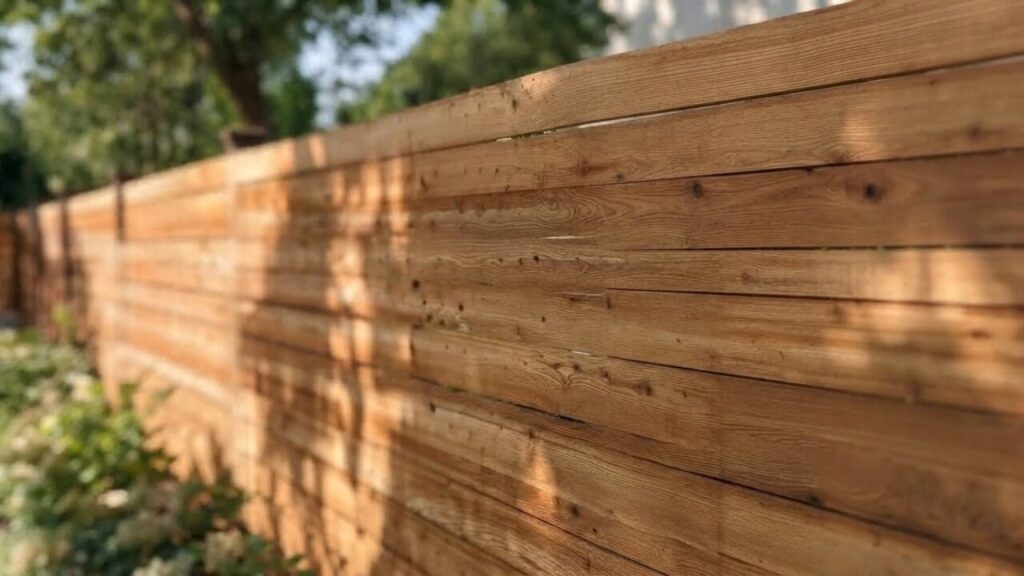
A traditional fence remains one of the fastest ways to create reliable privacy. Keeping the fence short in length can reduce material and labor costs considerably.
A privacy fence around one patio, hot tub, outdoor kitchen, or seating area may provide everything you need.
Consider Basic Wood Fence Panels
Standard wood panels are often among the simplest choices for a DIY privacy fence. Posts, rails, and pickets can also be installed individually when your yard dimensions do not match prefabricated panel sizes.
Material cost is only part of the calculation. Posts require proper spacing, footings, and installation for wind resistance. Gates add hardware and additional framing.
Before building, confirm whether the proposed location and height are allowed.
Local standards differ substantially. Seattle, for example, generally allows fences up to six feet in neighborhood residential setbacks, with lower limits in front and street-side setback areas. The city’s fence guidance shows how detailed local rules can become.
You May Need a Site Plan
A permitting office may request a scaled drawing showing the proposed fence relative to property lines, buildings, easements, streets, and other site features.
Portland’s official fence permit requirements, for example, require a site plan for fence projects that need a permit. The requested information can include property lines, lot dimensions, easements, existing buildings, and the proposed fence location.
We offer a dedicated fence permit site plan when a city, county, or HOA asks for a drawing showing a proposed fence.
2. Use Privacy Screens Around Patios and Decks
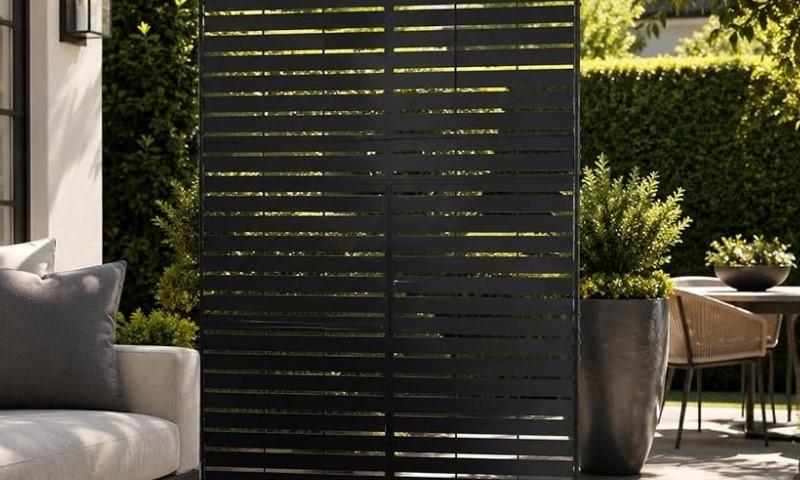
A freestanding privacy screen is often cheaper than constructing a permanent fence across the yard.
Wood slats, composite panels, metal frames, lattice, or purpose-built outdoor privacy panels can create a small enclosure around the area where you spend the most time.
Screens work especially well beside:
Patios
Deck seating areas
Outdoor dining tables
Hot tubs
Grills and outdoor kitchens
Backyard workspaces
Placement matters more than quantity. Two strategically positioned panels can sometimes block a neighbor’s main viewing angle.
Freestanding screens also allow more flexibility. Some can be moved when furniture or outdoor use changes.
Check anchoring carefully. A large panel catches wind, so lightweight screens may require secure posts, heavy bases, or another manufacturer-approved anchoring method.
3. Add Lattice or a Trellis With Climbing Plants
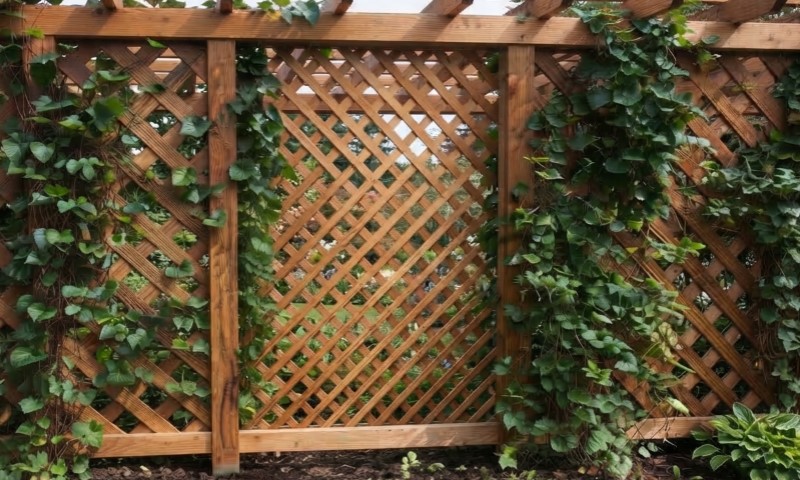
A basic lattice or trellis provides partial privacy immediately and becomes denser as vines grow.
The approach is useful in narrow spaces where planting a wide hedge would consume too much yard.
Mount a trellis independently or install one as a freestanding garden feature. Adding lattice above an existing fence can create additional screening in some jurisdictions.
Check local height rules before extending an existing fence. Some zoning codes count lattice, trellises, and similar features when calculating total fence height. Portland, for example, includes materials added above a fence when measuring overall fence height.
Choose vines suited to your climate, available sunlight, soil, and support structure. Local Cooperative Extension resources can help identify species appropriate for your region.
4. Plant Shrubs, Evergreens and Ornamental Grasses
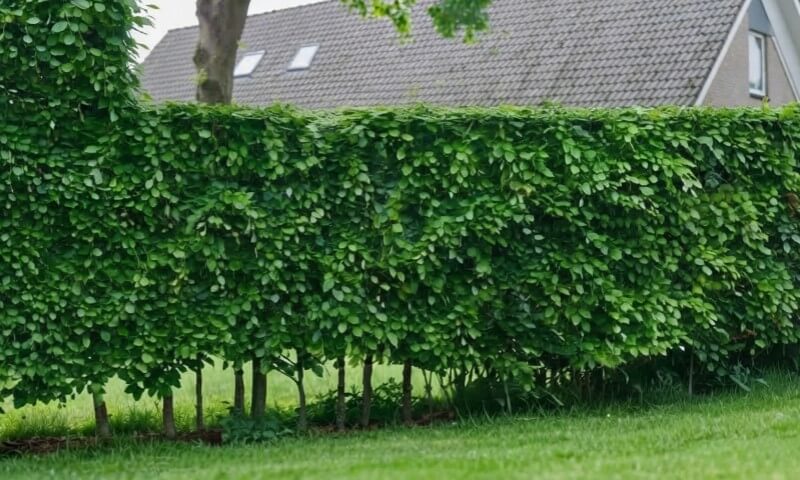
Plants can create one of the most attractive privacy screens, especially when you have time for them to grow.
The cheapest approach usually involves buying younger plants and allowing them to fill in over several seasons. Large, mature shrubs provide faster coverage and cost considerably more.
Avoid choosing a plant based only on growth speed. Mature width and height matter because a shrub planted too close to a house, fence, sidewalk, or neighboring property can become a maintenance problem.
The University of Maryland Extension recommends using a mixture of plants for privacy screening. A mixed planting can include trees, shrubs, grasses, and other plants with different heights and forms.
Plant diversity can also reduce the risk of losing an entire screen to the same pest, disease, or environmental problem. Its privacy screen planting guide also recommends prioritizing suitable native plants.
Be Careful With Bamboo
Bamboo frequently appears in discussions about cheap, fast-growing privacy screens. Running bamboo can create serious problems.
Several running bamboo species spread aggressively through underground rhizomes and can move beyond the intended planting area.
University of Maryland Extension explains that running bamboo can spread into neighboring properties and may require substantial effort to contain or remove.
Check your state’s invasive plant resources before planting bamboo or any aggressive screening species.
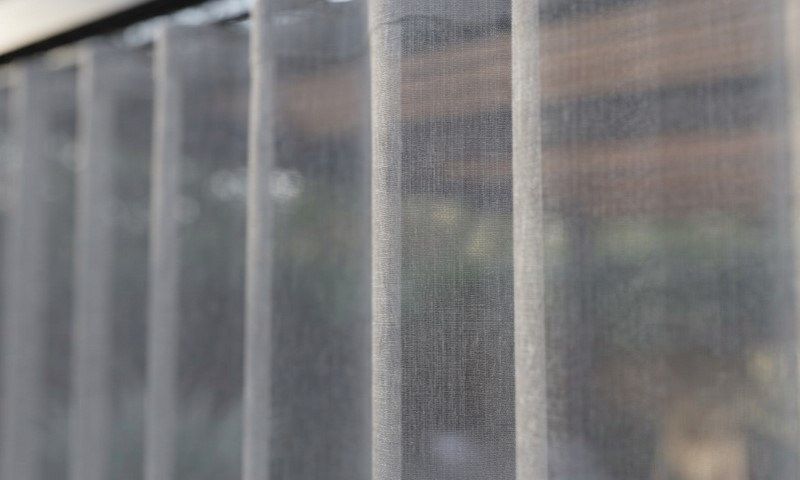
5. Use Outdoor Curtains for Immediate Privacy
Outdoor curtains are among the cheapest solutions for covered patios, pergolas, porches, and gazebos.
A curtain can close only when privacy is needed and remain open at other times. Installation may require little more than an outdoor-rated rod or track and weather-resistant fabric.
Curtains work best where an existing overhead structure already provides attachment points.
Consider wind exposure before installation. Loose fabric can become difficult to manage in exposed locations, so tiebacks or weighted bottoms can help.
For renters, curtains may also provide useful privacy without a permanent landscaping or fencing project, subject to the lease and property rules.
6. Attach Screening to an Existing Fence
An existing fence gives you a ready-made structure for improving privacy.
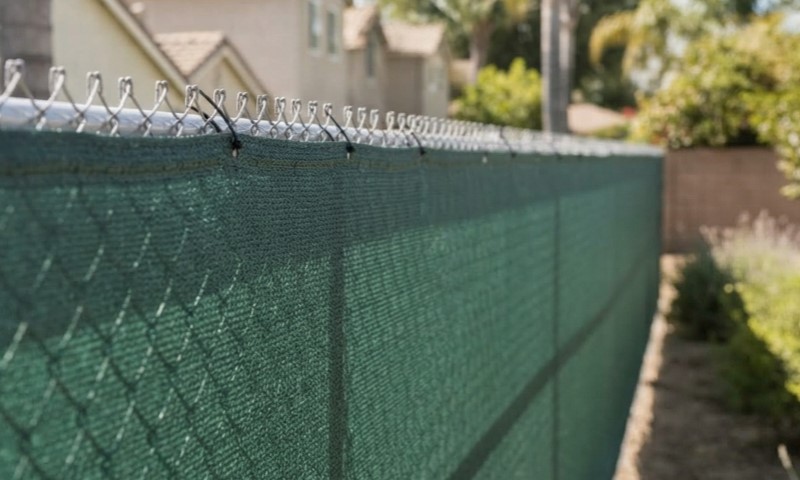
Possible additions include reed rolls, screening fabric, wood slats, lattice, or other outdoor-rated panels. The existing fence needs to be structurally capable of supporting the additional material.
Solid screening changes how wind acts on a fence. A previously open chain-link fence, for example, experiences much greater wind pressure after opaque material is attached.
Inspect posts and connections before covering a long fence line. For weak or aging fences, adding a screen can lead to repair costs that erase the original savings.
Also confirm that added material does not push the fence beyond an allowed height.
7. Combine a Partial Fence With Plants
A layered privacy solution often gives the best balance between cost and appearance.
You might install a short solid fence around the patio and plant shrubs along the remaining property line. Another option is a lattice panel with vines backed by several strategically positioned evergreens.
A combination can provide immediate privacy where needed and allow plants to create broader coverage over time.
It also reduces the amount of permanent fencing required.
For a long backyard boundary, consider dividing the project into priority areas. Screen the patio first. Add plants in the second phase. Fill remaining gaps later if they still bother you.
Check the Rules Before Installing a Fence or Screen
A cheap project becomes expensive when it has to be moved or rebuilt.
Before installing a permanent privacy structure, check:
Property line location
Maximum fence or screen height
Front, side, and rear yard rules
Corner-lot visibility requirements
Setbacks
Easements
Public rights-of-way
HOA architectural guidelines
Pool barrier rules where applicable
A project can be exempt from a building permit and still be subject to zoning rules. Portland explicitly makes that distinction in its zoning permit guidance for projects that may not require a building permit.
If you live in an HOA community, review its architectural requirements before buying materials. An association may regulate fence materials, colors, locations, landscaping, and screening features separately from municipal rules.
Our HOA site plan service can support an application when the association requests a property drawing.
Call 811 Before Digging
Fence posts, trellises, and large planting projects can involve digging near buried utilities.
Contact 811 before excavation so participating utilities can mark underground lines. The national 811 safe digging service directs homeowners to state-specific requirements and waiting periods.
Utility marking does not identify private property boundaries, so treat utility locating and boundary determination as separate tasks.
Which Cheap Privacy Solution Works Best?
Match the solution to the problem you are trying to solve.
Situation
Practical low-cost approach
Neighbor can see your patio
Freestanding screen or short fence
Neighbor looks down from upstairs
Screen close to patio, pergola screen or tall planting
Chain-link fence has no privacy
Slats or approved screening material
Narrow side yard
Trellis with vines
Long backyard boundary
Young shrubs or mixed hedge
Covered porch
Outdoor curtains
Immediate privacy needed
Fence or privacy panels
Natural appearance preferred
Mixed shrubs and grasses
Budget must stay very low
Screen only the main sightline
Avoid automatically selecting the tallest or longest barrier. Privacy depends on viewing angles, distance, elevation, and how you use the yard.
FAQs
Yes. Large containers with tall grasses, shrubs, or climbing plants can screen patios and decks without permanent planting.
Follow the mature width of the species. Planting too closely can cause competition for water, nutrients, and sunlight.
Usually. Periodic pruning helps control size and can encourage denser growth, although timing depends on the plant species.
Yes. A slightly wider base allows more sunlight to reach lower branches and helps prevent a thin, bare bottom.
Some can. Self-clinging vines may damage wood siding or work beneath other materials, so a separate trellis is often safer.
Larger perennial vines can become surprisingly heavy. Use a sturdy support sized for the plant’s mature growth.
Yes. Fast-growing annual vines can cover a trellis within one growing season, but they usually need to be replanted each year.
Usually not. They lose leaves seasonally, so combine them with evergreens when winter screening is important.
Learn more about our contributor:
Jennifer Booker
Contributing Writer | Architecture & Design Writer
During my career, I’ve written articles on interior design, home remodeling, and renovation with an emphasis on money-saving tips and DIY ideas. It’s been a rewarding journey and I am thrilled to continue helping others bring their architectural visions to life.
A home renovation runs more smoothly when decisions happen in the right order. Define the work first, document existing conditions, confirm permit requirements, prepare drawings, build the budget, hire contractors,
A completed barndominium typically costs $100 to $220 per square foot in 2026, excluding land. A basic 2,000-square-foot barndominium may cost $200,000 to $280,000, while a mid-range build commonly reaches
Adding a second story typically costs $200 to $500 per square foot in 2026, putting a 1,000-square-foot addition around $200,000 to $500,000. A smaller partial second story may start near