Many homeowners start landscaping projects without realizing some require permits. A landscape permit helps ensure compliance with local codes, protects the environment, and prevents drainage or structural problems.
Whether you plan to regrade your yard, remove a tree, or install a sprinkler system, checking if a permit for landscaping is needed should be your first step.
Doing so protects your property and helps you avoid fines, delays, or costly rework.
In this article we’ll cover everything you need to know about landscaping permit requirements.
Always check local regulations before starting any landscaping project, as permit requirements vary by city, county, and state.
Larger projects like grading, tree removal, drainage changes, and hardscaping almost always require a permit.
Having a professional site plan for permit, like the one from GetASitePlan online service, simplifies the approval process and helps avoid costly delays or fines.
Landscaping Permit – What Is It and Why You Might Need One?
Landscaping permits are official approvals issued by your city or county that authorize certain types of outdoor work which could affect your property’s structure, drainage, or the surrounding environment. In essence, they ensure your project complies with zoning, safety, and environmental rules.
Local authorities use permits for landscaping to prevent issues like flooding, erosion, or property line disputes.
Securing one early helps you stay compliant, avoid fines, and protect your investment – especially before starting any work that could alter your yard’s layout or natural drainage.
When Permit for Landscaping is Required?
Requirements for landscaping permits
A landscaping permit is required, most times, when a project could affect drainage, property boundaries, or structural stability. Yet requirements may vary by city and county.
Cities regulate landscaping to prevent issues like flooding, soil erosion, or utility damage. If you hire a contractor, they may apply for approval on your behalf, but the homeowner is ultimately responsible for compliance.
A good rule: if you’re digging deep, changing the slope, altering water flow, or adding structures, you likely need a permit.
Let’s see which projects might fall into this category.
Projects That Often Require Landscape Permits
Specific projects that require landscaping permits
Certain landscaping activities almost always require permits. Knowing these common situations helps you plan correctly and avoid unexpected delays or penalties.
Before starting major outdoor improvements, it helps to create a clear landscaping design plan which can make it easier to determine which permits you’ll need.
The table below serves as a quick summary of whether the permit is needed for specific landscaping projects.
Landscaping Activity
Usually Permitted Without Permit
Often Requires Permit / Review
Planting trees, shrubs, or flowers
Small-scale, on flat ground, not in sensitive areas
Protected trees, regulated zones, or near sidewalks/utilities
Minor grading or leveling
Small regrading under local thresholds
Large changes to slope or elevation, bulk fill soil added
Retaining walls
Low walls under local height limits
Walls over a certain height or with structural footings
Drainage changes or irrigation
Small-scale, not affecting runoff or water flow
Altering drainage, floodplains, or connecting irrigation to main water line
Tree removal
Non-protected species, small trees
Large or protected trees, municipal approval often required
Hardscape projects (pools, patios, decks, fences)
Sometimes, depending on scope
Building permits typically required for permanent structures
Table 1: Landscaping project permit requirement
Here are 11 most common landscape projects requiring a permit in detail.
1. Permit to Regrade Your Yard – Grading, Leveling
Permit required for regrading a yard
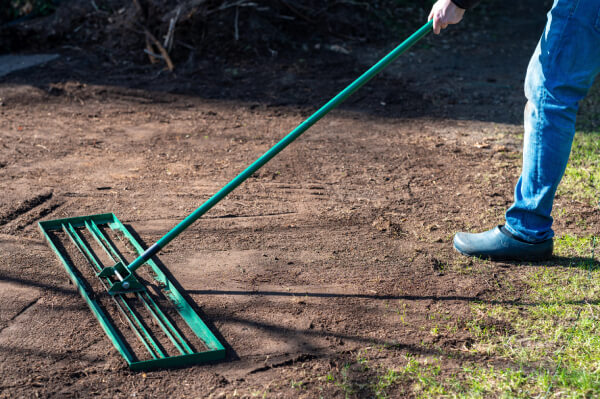
Regrading changes the slope or elevation of your yard, which can impact water flow and neighboring properties.
Most areas require a permit if you move significant amounts of soil or alter natural drainage. Improper grading can lead to flooding or foundation damage, so cities carefully review these plans.
Before renting equipment or hiring a contractor, check local rules.
2. Permit for Adding Dirt or Fill Soil in Your Backyard
Adding soil or dirt in your backyard – permit requirement
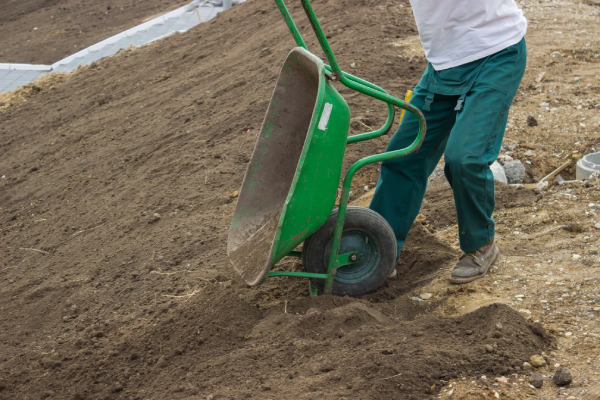
Bringing in dirt or fill soil can change the natural grade of your yard.
Permits are usually needed if you’re adding soil in bulk, especially near property lines or waterways. This prevents issues like blocked drainage or contaminated soil entering sensitive areas.
Even small projects may require approval if they affect nearby wetlands or regulated zones.
3. Tree Planting and Tree Removal on Your Property Permit Requirement
Plant or remove tree on your property permit requirement
Tree rules depend on location, species, and size.
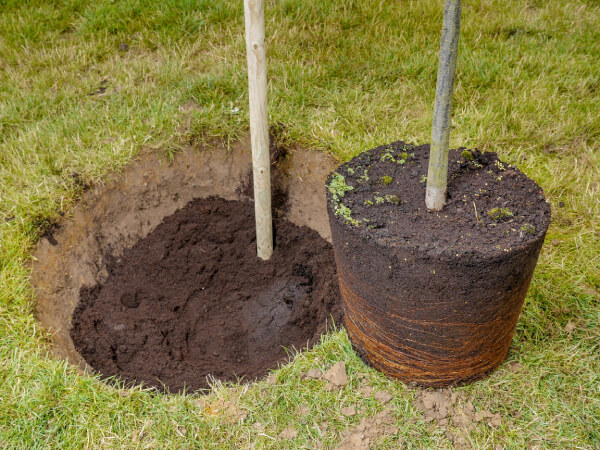
Planting a tree rarely needs a permit unless it’s near sidewalks, utilities, or public property. However,removing a mature or protected tree often does.
For example, in Anne Arundel County, tree removal permits aren’t required at all. Always verify local regulations before cutting down or planting trees.
4. Excavating or Digging Yard
Permit requirement for excavation or digging in yard
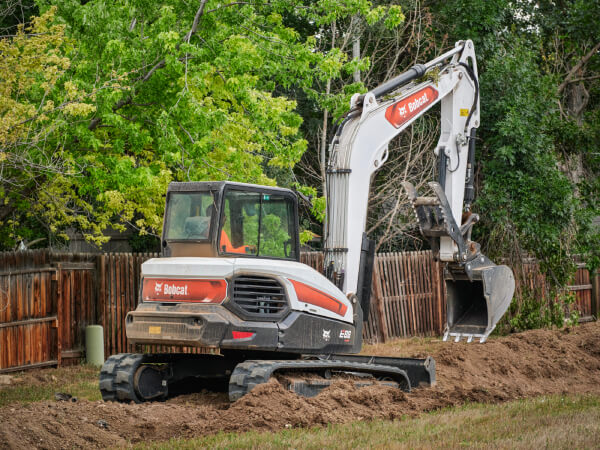
Digging poses safety and utility risks, therefore permits are usually required for deep excavation, such as trenches, ponds, or foundations. Even smaller digging projects can require approval if they might damage underground utilities.
Always call 811 before digging to locate utility lines and avoid accidents.
5. Installing Sprinkler or Irrigation Systems in Your Backyard
Installing sprinkler or irrigation systems in your yard and permit requirements
Underground irrigation systems often connect to your home’s water supply.
Permits are required to ensure backflow prevention and safe installation. A licensed contractor usually applies for the permit and schedules inspections.
6. Artificial Grass and Other Softscape Changes in Backyard
Permit requirements for artificial grass and softscape changes in backyard
Switching to artificial turf or redesigning flower beds rarely needs a permit unless it involves major excavation.
Some cities regulate turf to control drainage and appearance, while homeowner associations may have strict rules.
Always confirm local guidelines before making large-scale changes to avoid non-compliance.
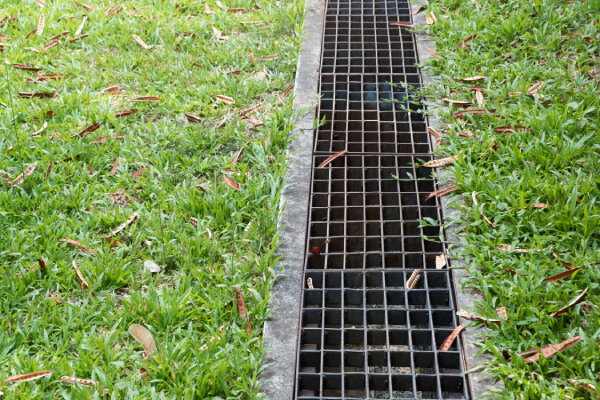
7. Backyard Drainage Changes or Altering Water Flow
Redirecting water on your property can affect neighbors and cause erosion.
Permits are typically required for installing French drains, dry wells, or redirecting runoff. Cities enforce these rules to protect infrastructure and prevent disputes over flooding or water damage.
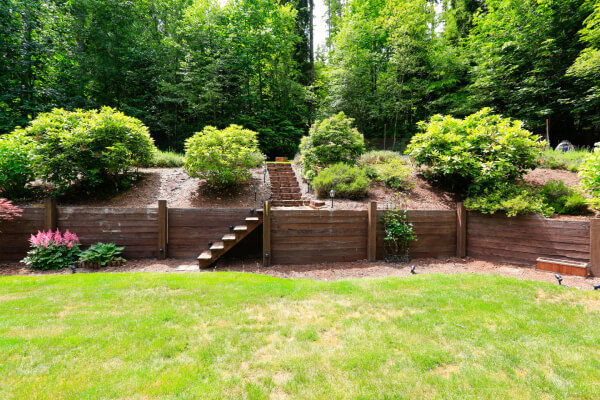
8. Retaining Walls Above a Certain Height in Your Backyard
Permit requirements for retaining walls above certain height
Retaining walls stabilize soil but can pose safety hazards.
Most cities require permits for walls over 3-4 feet high. Taller walls often need engineered plans to ensure they meet structural safety codes. This prevents collapses and property damage.
9. Landscaping on Slopes or Steep Hillsides
Permit requirements for landscaping slopes or steep hillsides
Projects on steep terrain increase the risk of erosion and landslides. Permits are required for excavation, terracing, or adding structures like retaining walls on hillsides.
Some areas have extra environmental rules to protect vegetation and soil stability.
10. Making Landscaping Projects Near Wetlands, Waterways, or Floodplains
Permit requirements for landscaping projects near wetlands, waterways or floodplains
Projects near wetlands or water sources face strict environmental regulations.
Permits are needed when planting, digging, or altering land near these protected areas.
Check both local and federal rules before starting to avoid violations and fines.
11. Building Hardscape Projects in Your Yard
Permit requirements for building hardscape projects
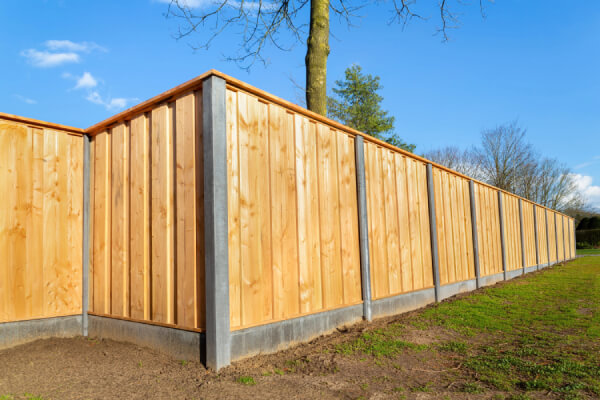
Some backyard work involves hardscaping instead of landscaping. Some backyard projects go beyond landscaping and fall under hardscaping or construction.
These typically require separate building permits, as they involve structures or permanent features.
For example, installing a pool would require a pool permit as it involves multiple inspections. Patio permit and deck permit is required as it must meet structural and setback requirements. Even adding pavers or walkways may require approval if they affect drainage.
Review local guidelines carefully and consult related guides for specific permit details before building.
While many hardscape and large-scale landscaping projects require official approval, not every outdoor improvement falls under strict regulation. Smaller, routine tasks are typically exempt, though it’s still important to be aware of any local rules that might apply.
Landscaping Projects That Rarely Require a Permit
Landscaping projects usually without permit requirements
Some outdoor activities and projects don’t usually require permits.
Landscaping projects that can usually be done without permit include:
Planting shrubs, flowers, or small trees,
Lawn care tasks (like mowing and seeding), and
Minor irrigation changes that don’t connect to your main water line.
However, zoning rules and HOA regulations still apply, especially for visible changes like front-yard designs.
Therefore, even if your project seems simple and likely doesn’t need a permit, it’s always best to confirm. Local rules can vary greatly, so knowing how to check landscaping permit requirements in your area will save you time, money, and potential headaches.
How to Check Local Landscaping Permit Requirements
Steps to check local landscaping permit requirements
As mentioned many times before – each city and county sets its own rules.
To confirm if you need a permit for landscaping project:
Call or visit your local planning or zoning office.
Check your city’s website for landscaping regulations.
Ask your contractor, as many know local processes.
Keep written documentation of permits and inspections.
Getting a permit often requires submitting a detailed site plan for permit that clearly shows what you plan to build or modify.
A professional site plan helps zoning and building departments review your application more efficiently, increasing your chances of quick approval and reducing delays.
Permit requirements can also vary based on a state’s geography, climate, and environmental concerns. These factors influence which projects are regulated more strictly and why certain rules exist in specific areas.
State-Specific Examples
California: Strict on grading, tree removal, and water conservation.
Florida: Focuses on drainage and hurricane safety, especially near coasts.
Texas: Permits often needed for fences, grading, and large tree removal.
New York: Environmental permits required near wetlands or historic areas.
What Happens If You Landscape Without a Permit
Risks of landscaping without a permit
Landscaping without a permit can cause serious problems like fines, stop-work orders, or require you to undo completed work.
Additionally, unpermitted projects can lower property value and cause issueswhen selling your home.
So it’s always smarter, easier and cheaper to follow the rules from the start. Additionally, understanding landscaping costs early on can help you budget for both the work and the necessary permits.
FAQ – Does Landscaping Require a Permit
Can You Get a Permit After Work Is Already Done?
Yes, but you may face fines or need to modify non-compliant work.
Is Getting a Permit Worth It for Landscaping Projects?
Yes. It ensures safety, protects property value, and prevents disputes.
Why Do Permits Cost Money?
Fees cover inspections, staff reviews, and enforcement of local codes.
How Much Do Contractors Charge to Pull a Permit?
Costs vary by project and location, typically between $50 and $500.
Secure Your Permit, Protect Your Project
Check if your landscape project requires permit to avoid headaches
Whether you’re grading your yard, installing irrigation, or adding hardscape features, checking local permit requirements protects your property and your budget.
A properly issued landscape permit – backed by a clear, professional site plan keeps your project compliant, safe, and fully documented for the future.
You can easily get a permit-ready site plan online from GetASitePlanwithin 24 hours, helping you submit your landscaping application quickly and avoid costly rework or fines.
Start your project the right way – with the right plan, the right permits, and total peace of mind.
Learn more about our contributor:
Jennifer Booker
Contributing Writer | Architecture & Design Writer
During my career, I’ve written articles on interior design, home remodeling, and renovation with an emphasis on money-saving tips and DIY ideas. It’s been a rewarding journey and I am thrilled to continue helping others bring their architectural visions to life.
Ten practical site plan examples cover most homeowner needs: existing property, additions, ADUs, decks, pools, fences, detached structures, driveways, grading, and septic systems. Together, they show how proposed work fits
The lowest-cost container home plan usually uses one 20- or 40-foot unit, retains most sidewalls, and places the kitchen and bathroom on one utility wall. Moderate budgets can support two
A load-bearing wall carries weight from a floor, roof, or wall above and transfers that weight through the structure to the foundation. The strongest clues are joists ending over the