
What Is a Site Plan: Definition, Elements and Examples
Planning a home addition, building a garage, or installing a swimming pool usually involves more than deciding where the new structure should go. You also need to show how the




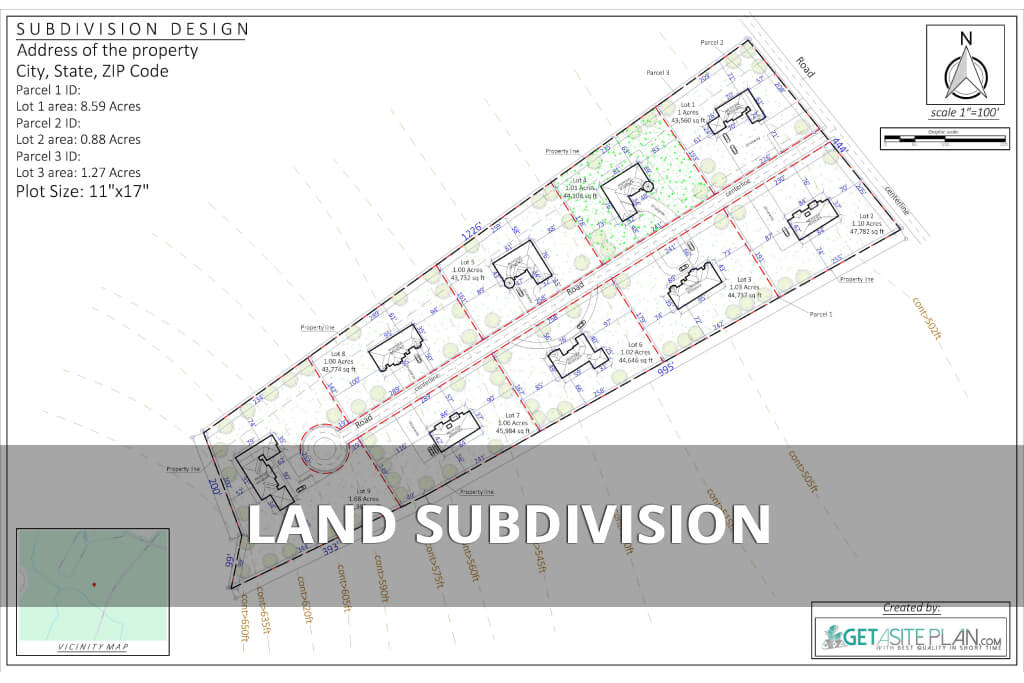

Land subdivision is the process of dividing a single piece of land into smaller parcels, or lots, that can be sold or developed individually. It’s a common practice in real estate, often used to create new residential neighborhoods, commercial spaces, or even to sell a portion of land you no longer need.
In this guide, we’ll cover in detail what land subdivision is, why people choose to subdivide land, step-by-step process on how to subdivide land, how to apply, typical costs, and how to get started successfully.
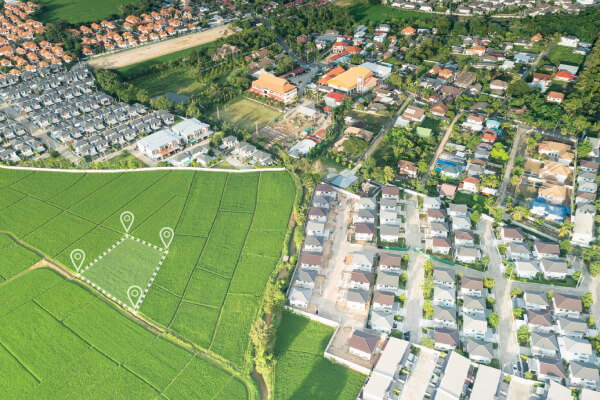
Land subdivision is the legal process of dividing a larger parcel into two or more smaller, independent lots, each with its own defined boundaries, title, and permitted use. These newly created parcels can be sold separately, developed into housing or commercial sites, or kept as investments for the future.
Municipalities regulate subdivision of land to ensure proper zoning, infrastructure planning, and compliance with environmental and drainage requirements. Typically, a subdivision plan, a professional land survey, and formal approval are required before the new lots are legally recognized.
Simply put, subdividing land transforms one large tract into multiple, clearly defined parcels, laying the foundation for organized growth and development.

The concept of dividing land dates back centuries, but in the United States, modern subdivision practices began with the Public Land Survey System (PLSS) in the late 1700s. This system divided land into square-mile sections to create a standardized way of mapping and selling land as the country expanded westward.
Initially, the goal was to ensure fair distribution and clear boundaries between plots. Over time, as towns and cities grew, types of land subdivision and regulations evolved to address zoning laws, infrastructure needs, and environmental concerns.
Today, while the tools are more advanced and the rules more complex, the core purpose remains the same: to create well-planned, legally recognized parcels that support sustainable growth.
Subdivision began as a way to organize and distribute land fairly, and today it plays a key role in real estate development and community growth.
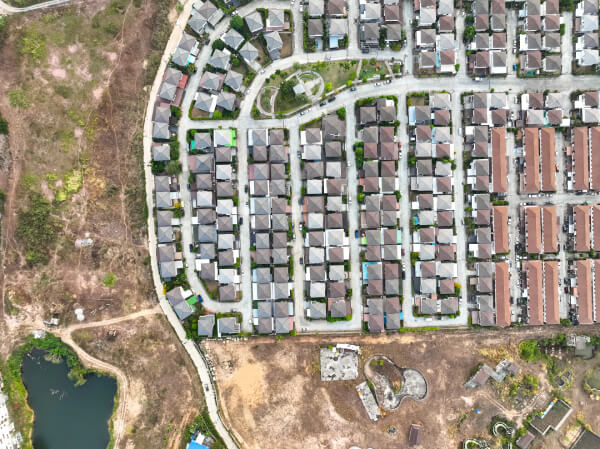
In real estate, a subdivision is land divided into smaller, individual lots that can be sold or developed separately. For instance, a developer might split 10 acres of vacant land into 20 buildable lots, creating space for homes or commercial buildings.
Each lot must meet local zoning rules and have access to essential utilities like roads, water, and electricity. This ensures safe, organized growth within a community.
Many landowners choose to subdivide for different reasons – from increasing land value to passing it down to family. Having subdivided land allows for flexibility, as each parcel can be sold or used independently.
Property owners choose to subdivide land for various reasons, ranging from financial goals to family planning.
Here are the most common motivations for land subdivision:
Some investors even purchase land for subdivision, aiming to split it into smaller parcels to sell individually, creating higher profits than selling a single, large property.
The next step in planning a subdivision is understanding the different types of land division, as each follows its own rules, timelines, and costs.
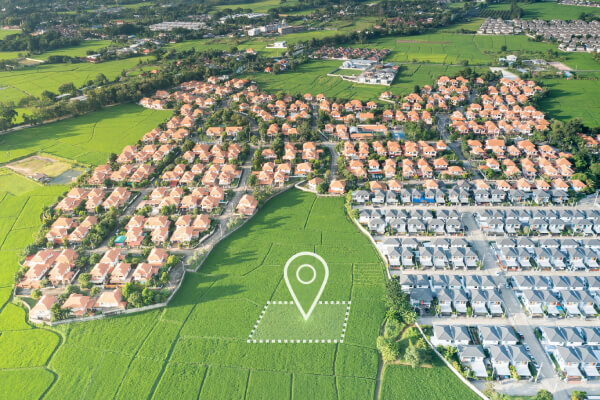
Land subdivisions are classified based on their size, purpose, and impact on the surrounding area. Knowing which category your project falls under is important before you begin the application process, as it determines what permits, surveys, and approvals you’ll need.
A minor subdivision usually involves dividing land into just a few parcels, such as splitting a single lot into two or three. These projects require less infrastructure and are typically quicker to approve.
A major land subdivision includes many lots and often requires planning for roads, drainage, and utilities. Because of its scale, this type involves more detailed designs, longer timelines, and stricter municipal review.
Cluster land subdivisions group homes or buildings closely together on part of the land while leaving large areas of open space. This design reduces infrastructure costs and preserves natural landscapes.
Conservation subdivisions take this idea further, focusing on protecting environmentally sensitive areas like wetlands or forests while still creating buildable lots.
Once you’ve identified the type of subdivision that fits your land, the next step is to learn how to apply for approval and meet local requirements.

To apply for a land subdivision, you must submit a formal request to your local planning board or municipality, including a detailed subdivision plan, land survey, and any required permits or environmental studies.
This process ensures that the newly created parcels meet zoning laws, infrastructure standards, and legal requirements.
While every area has its own regulations, the general steps for applying are similar across the U.S.:
Yet, before you begin, you need to determine whether your land can actually be subdivided and what other specific steps are included in the process.

To subdivide land, you must follow a structured process that includes zoning checks, surveys, planning, and legal approvals. This ensures each new parcel meets local regulations and can be sold or developed legally.
Below is a step-by-step guide to help you understand how subdivision works from start to finish.
Before doing anything else, confirm that your land is eligible for subdivision.
Some common factors that determine if your land can be subdivided include:
Many counties have planning departments or zoning boards where you can request a preliminary review. This early step helps you avoid investing in surveys or plans if your land cannot be subdivided.
A licensed land surveyor is essential for defining your property boundaries and creating precise measurements for the proposed parcels.
The surveyor will identify existing structures, easements, and access points, which are all critical for approval. A detailed survey also prevents future disputes with neighbors or buyers.
The subdivision plan shows the exact layout of the new lots, roads, drainage systems, and utility connections.
There are typically two stages of subdivision plans:
A) Preliminary Plan – Created Online
A rough draft used for early discussions with surveyors, contractors, or municipal officials.
Services like GetASitePlan provide fast, accurate, permit-ready subdivision site plans that help you visualize your project and plan next steps – all without upfront surveying or legal costs.
B) Final Certified Plan – Required for Legal Approval
A completed plan signed by a licensed surveyor or engineer that is submitted for municipal approval.
Submit your final subdivision plan, surveys, and supporting documents to your local planning board or zoning commission.
Depending on the size of the project, there may be public hearings where neighbors and community members can review the proposal. This step ensures the subdivision complies with all legal and environmental standards.
After receiving approval, record the subdivision with the county or municipality. This process makes the new lots official legal parcels, each with its own title and boundaries.
Here is the flowchart below simplifying the land subdivision process:
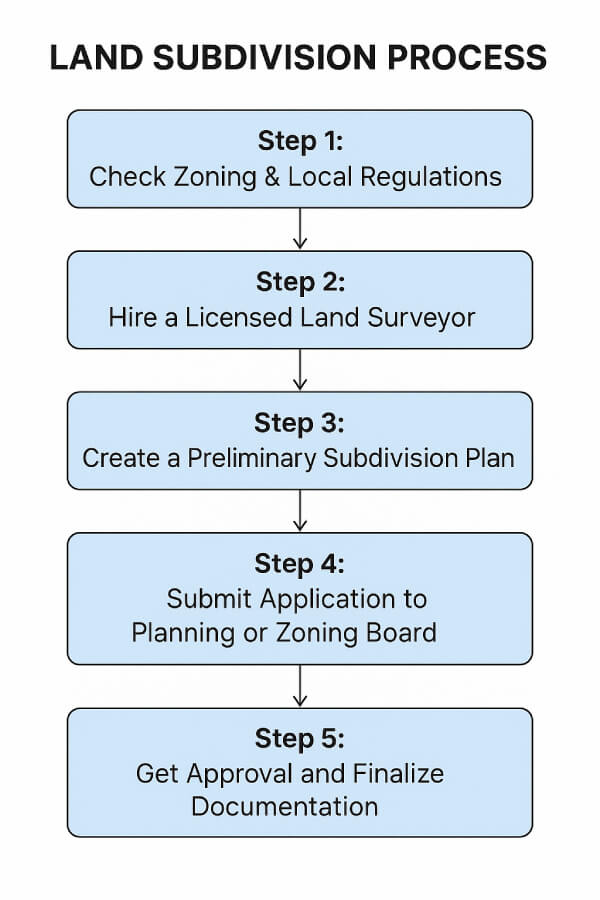
Only after recording can you sell, transfer, or develop the individual lots.

Subdividing land can be simple for small projects but challenging for large or complex subdivisions. Minor subdivisions with just a few lots may take a few weeks, while major subdivisions with infrastructure planning can take months or even years.
Factors like zoning changes, environmental studies, and community feedback can add time and complexity to the process.
Now, let’s take a closer look at subdivision plans and how they differ from standard site plans.
A land subdivision plan is a detailed drawing showing how land will be divided into smaller lots. It’s required for municipal approval and ensures the project meets zoning and infrastructure rules.
Most subdivision plans show:
This gives surveyors, officials, and buyers a clear view of the new layout.
A subdivision plan shows how land is split into separate lots, focusing on boundaries, roads, and infrastructure.
A site plan, on the other hand, details how a specific lot will be developed – including building footprints, landscaping, parking, and other construction details.
Think of the subdivision plan as the “big picture,” while the site plan zooms in on what will be built on each individual lot. Seeing an example makes it easier to understand how a subdivision plan works in practice.
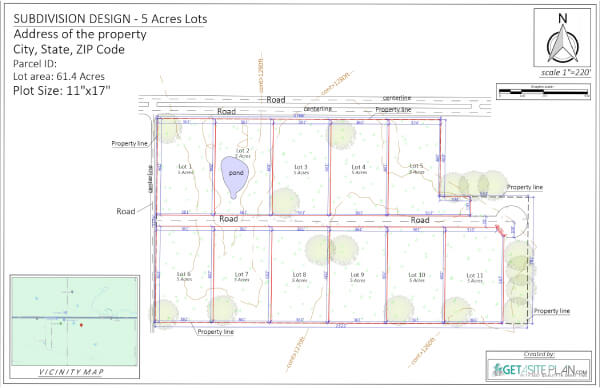
An example, like this one from GetASitePlan, may include ten residential lots with one road and drainage areas clearly marked. Larger projects often include shared green spaces or community amenities.
This involves dividing government-owned land for public use or development. It’s strictly regulated and often used for housing projects, parks, or infrastructure improvements.
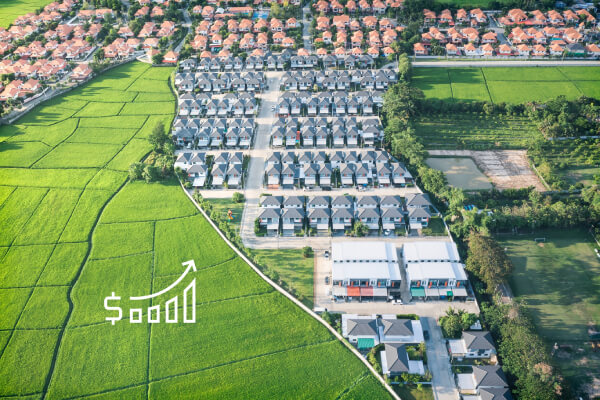
The cost to subdivide land varies depending on location, project size, and local requirements. It can range from just a few thousand dollars for a minor subdivision to tens of thousands for larger developments with roads and utilities.

Most subdivisions in the U.S. cost between $2,000 and $25,000.
Smaller projects like dividing one lot into two are on the lower end, while major subdivisions with infrastructure planning are far more expensive. Homeowners often search for the price to subdivide land to get an idea of their potential expenses.
Several factors affect subdivision costs:
The total subdividing land cost depends heavily on state regulations and labor rates.
Costs of land subdivision vary by state:
Subdividing land can be expensive, especially when infrastructure improvements are required. A land subdivision calculator helps estimate total costs by factoring in survey fees, permit costs, and construction needs.
While calculators provide a rough estimate, speaking with a surveyor or planner is the best way to understand your specific expenses.
After considering costs, many landowners also want to know how long the process will take from start to finish.
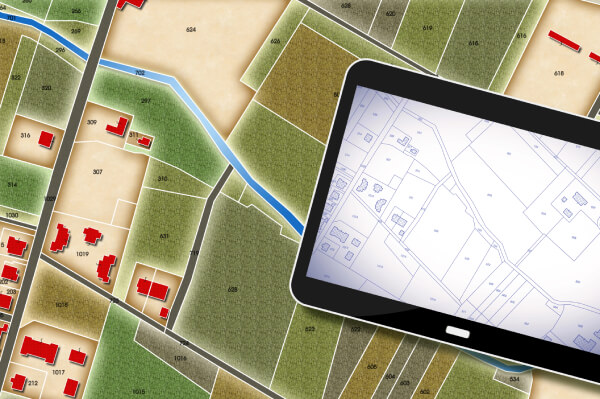
Subdividing land can take anywhere from a few weeks to over a year, depending on the size of the project and local approval timelines.
Minor subdivisions, like splitting one lot into two, are often completed within 1-3 months, while major subdivisions that require roads, drainage, and public hearings may take 6-12 months or longer.
Delays often happen due to zoning changes, environmental studies, or complex infrastructure requirements. Timeframes can vary by state, so always consult your local planning department for a more accurate timeline.
In addition to time and cost, some landowners also wonder how mortgages affect the subdivision process.
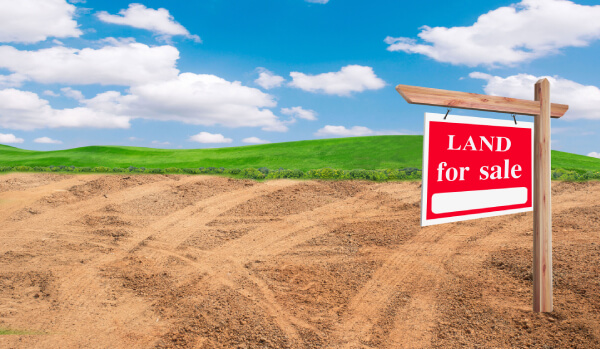
Yes, you can subdivide land with a mortgage, but it requires lender approval before the process can move forward.
Because the bank has a financial interest in the property, they must agree to release or adjust the mortgage to reflect the new lot boundaries.
This often involves:
Failing to get lender approval can delay the process or even prevent the subdivision from being recorded.
Yes, you can subdivide and sell land once it meets zoning requirements and is officially approved by your municipality.
Yes, it can be profitable, especially in areas with high demand for buildable lots, but costs and timelines must be carefully managed.
It can be expensive and time-consuming due to surveys, permits, infrastructure work, and possible public hearings.
It depends on local zoning laws and minimum lot size rules, which vary by municipality.
No, a licensed surveyor is required to create accurate boundaries for legal approval.
Yes, but you must first get approval from the lender or lienholder before the subdivision can be recorded.
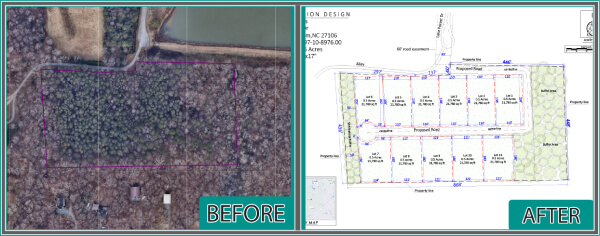
Subdividing land can feel overwhelming, but having the right tools and a clear plan makes the process much smoother. Starting with a professionally-created subdivision plan helps you visualize the layout, discuss options with surveyors and municipal officials, and avoid costly mistakes later.
Online services like GetaSitePlan make this step quick and affordable by providing accurate, ready-to-use subdivision site plans and subdivision design plans, 2D and 3D.
Whether you’re splitting a single parcel or planning a larger development, taking the first step with a clear plan sets you up for success.

Planning a home addition, building a garage, or installing a swimming pool usually involves more than deciding where the new structure should go. You also need to show how the
Adding a room to your house costs approximately $48,000 on average in 2026, with many homeowners spending between $20,900 and $72,600. Larger additions, bathrooms, and primary suites can cost considerably
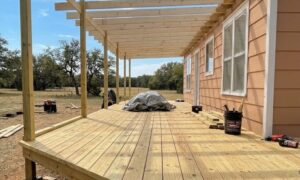
Building a new deck costs $8,321 on average in 2026, with most homeowners spending between $4,339 and $12,653. According to Angi’s 2026 deck cost data, those figures come from more
