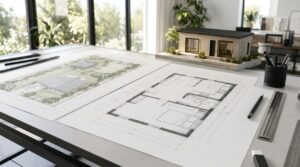
What Is a Site Plan: Definition, Elements and Examples
Planning a home addition, building a garage, or installing a swimming pool usually involves more than deciding where the new structure should go. You also need to show how the




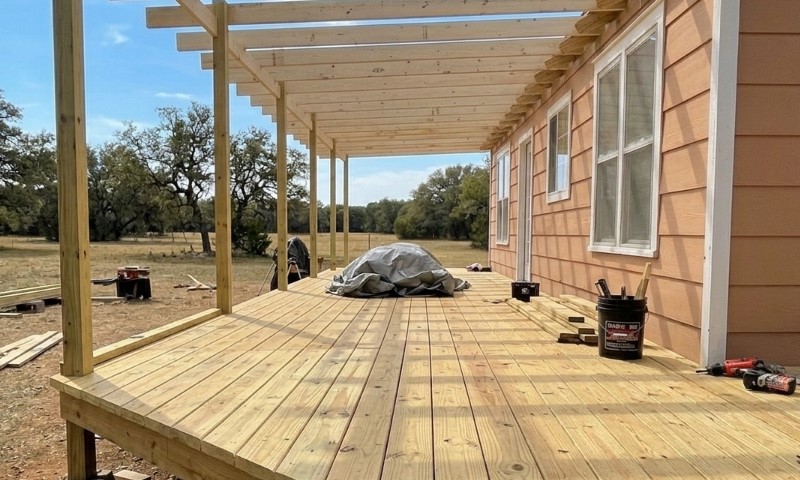

Building a new deck costs $8,321 on average in 2026, with most homeowners spending between $4,339 and $12,653. According to Angi’s 2026 deck cost data, those figures come from more than 20,000 reported deck-building projects across the United States.
A professionally installed deck generally costs $30 to $60 per square foot, although larger composite decks, elevated structures, and custom designs can easily exceed that range.
Deck size and material are the biggest cost factors, but labor, foundations, stairs, railings, and permits also affect the final price. Here’s what you should budget for in 2026 and where you can save without compromising the deck’s structural safety.
| Cost Category | Average Price |
| National average | $8,321 |
| Typical homeowner spending | 12,653 |
| Standard installed cost | 60/sq. ft. |
| Pressure-treated wood deck | 50/sq. ft. |
| Composite deck | 80/sq. ft. |
| Professional labor | 35/sq. ft. |
Sources: Angi’s 2026 deck cost estimates and HomeGuide’s 2026 material-specific installed costs. Labor is already included in the installed prices and should not be added again.
A simple ground-level wood deck falls near the lower end of these ranges. Larger raised decks with composite boards, custom railings, and multiple stairways cost considerably more.
The $8,321 national average is a useful starting point, but your deck’s dimensions and design provide a much better basis for an actual budget.
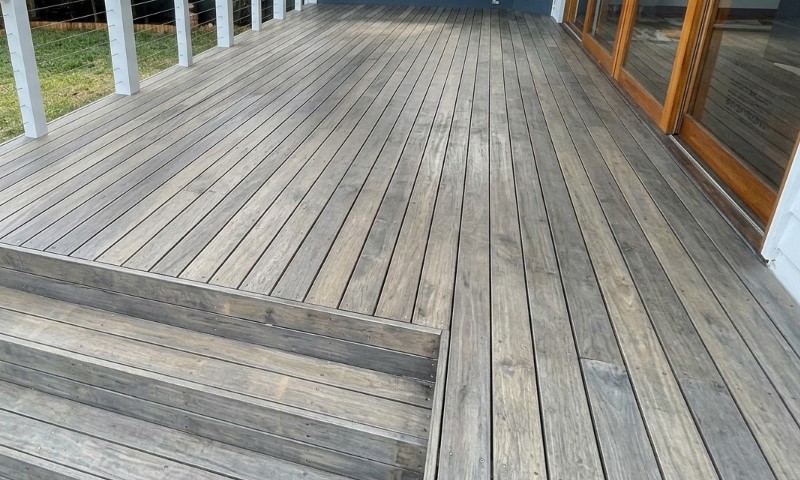
Square footage is the easiest way to estimate a starting budget. Multiply the deck’s length by its width, then apply an estimated installed price per square foot.
| Deck Size | Square Footage | Estimated Cost |
| 10 × 10 ft. | 100 | 6,000 |
| 10 × 12 ft. | 120 | 7,200 |
| 12 × 12 ft. | 144 | 8,640 |
| 12 × 16 ft. | 192 | 11,520 |
| 12 × 20 ft. | 240 | 14,400 |
| 14 × 20 ft. | 280 | 16,800 |
| 16 × 20 ft. | 320 | 19,200 |
| 20 × 20 ft. | 400 | 24,000 |
Calculated using 60 per square foot for a standard professionally installed deck. Figures are planning estimates, not contractor quotes. Complex foundations, premium finishes, and additional features can increase costs.
For example, a 12 × 16-foot deck provides 192 square feet of outdoor space. At $45 per square foot, the estimated construction cost is $8,640 before any separately priced extras.
Smaller decks generally cost less overall, although they can have higher per-square-foot costs because contractors still need to cover transportation, equipment, and setup.
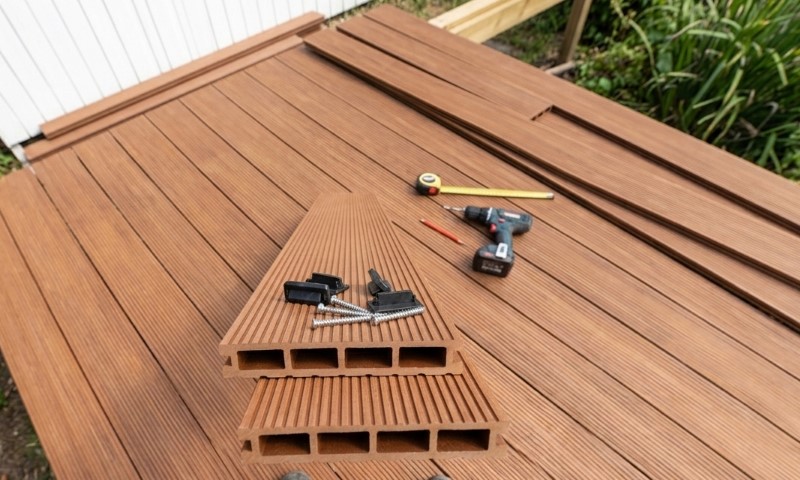
Here’s what you need:
Pressure-treated wood remains the most affordable option for most residential decks. Composite decking costs more initially but requires less maintenance. Cedar and premium hardwoods offer different appearances and durability characteristics.
Here are average 2026 prices for common decking materials.
| Deck Material | Material Cost per Sq. Ft. |
| Pressure-treated wood | 5 |
| Cedar | 7 |
| Redwood | 35 |
| Composite | 22 |
| Ipe hardwood | 20 |
| Aluminum | 20 |
Source: Angi’s 2026 material estimates. These are decking-material prices, not costs for a completed deck. Framing, footings, fasteners, installation, and other components are additional.
Pressure-treated wood is our recommendation for homeowners prioritizing the lowest initial construction cost. It provides a practical outdoor surface without the premium associated with composite or exotic hardwoods.
However, wood needs periodic cleaning, staining, or sealing to help protect it from weathering.

Composite decking is worth considering if you’re planning to stay in your home for many years and prefer less maintenance. Most composite products don’t need staining or sealing, although regular cleaning is still necessary.
The bigger question isn’t simply which material costs less to purchase. It’s how much you’re willing to spend maintaining the deck over its lifetime.
A less expensive wood deck can make financial sense if you’re comfortable maintaining it. Composite becomes more attractive when convenience matters more than the initial price difference.
For additional material-specific estimates, see HomeGuide’s deck pricing comparison.
Professional deck-building labor typically costs $15 to $35 per square foot in 2026. Labor is one of the largest expenses because constructing a deck involves much more than attaching boards to a frame.
Contractors must prepare the site, install footings, construct the support system, attach the decking, and complete safety features.
Several conditions increase labor costs:
Location matters, too. Labor rates in expensive metropolitan areas are generally higher than those in smaller communities.
We recommend getting at least three itemized contractor quotes. A lower price isn’t necessarily a better deal if the contractor excludes framing, footings, or other important work.
Two decks with identical square footage can have very different construction costs.
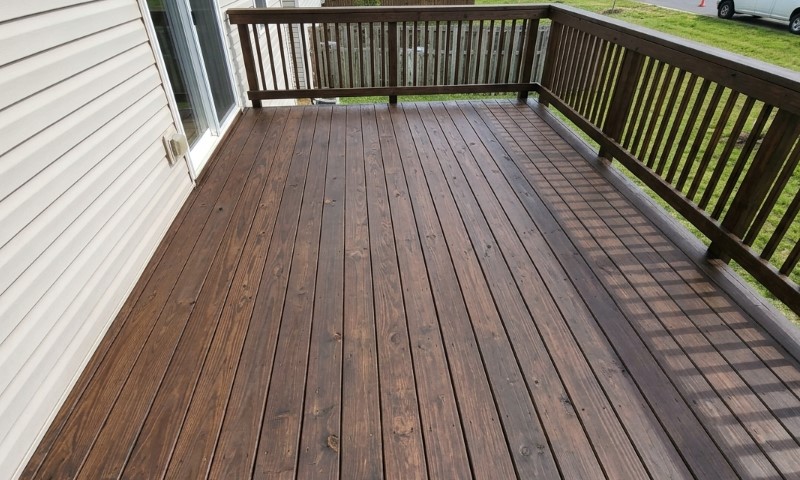
Usually the most economical design because it can need fewer stairs, shorter supports, and less complicated construction. Proper framing, drainage, and foundation requirements still apply.
Costs more because taller supports, bracing, stairs, railings, and stronger structural connections increase material and labor requirements.
Generally the most expensive design category. Additional framing, separate levels, complex layouts, and extensive railings increase the construction budget.
Freestanding decks also need independent structural support instead of relying on a ledger connection to the house. Depending on the design, the additional footings and beams can offset savings from simpler construction.
For most homeowners working with a limited budget, a straightforward rectangular deck is the most cost-effective choice.
Deck accessories can significantly increase the total price, especially when they involve electrical work or changes to the structure.
| Additional Expense | Estimated Cost |
| Deck building permit | 500 |
| Outdoor electrical outlet | 300 |
| Outdoor lighting fixture | 30+ each, fixture only |
| Retractable awning | 3,500 |
| Outdoor furniture | $500+ |
| Outdoor fireplace | 8,000 |
Source: Angi, 2026. Prices are broad estimates; installation, wiring, structural modifications, and other fees may be additional.
Railings and stairs deserve particular attention. Their cost depends heavily on height, length, material, and local safety requirements, so request separate line items for both.
Other expenses can include removing an existing deck, excavating for footings, improving drainage, relocating utilities, and handling difficult soil conditions.
If you’re replacing an older structure, compare the new construction quote with the cost of repairing or replacing your existing deck. Reusing sound components can reduce spending, although a qualified professional should first verify that the remaining structure is suitable.
We recommend setting aside 10% to 15% of your project budget for unexpected expenses.
For a $10,000 deck, that means keeping an additional $1,000 to $1,500 available.
Building a deck yourself can reduce expenses because you’re avoiding much of the professional labor cost. For a 200-square-foot deck, the $15 to $35 per-square-foot labor range represents approximately $3,000 to $7,000.
However, that isn’t necessarily your final savings. You’ll still need materials, tools, equipment, inspections, and potentially professional assistance with structural work.
A basic ground-level deck is more manageable for an experienced DIY homeowner than a second-story structure.
For larger or elevated decks, we recommend hiring qualified professionals to handle the footings, framing, structural connections, and safety features. The American Wood Council’s deck construction guidance provides useful structural references, although local building codes ultimately govern construction requirements.
You don’t necessarily need the cheapest materials to build an affordable deck. Good planning and reasonable design decisions can reduce spending without sacrificing quality.
Rectangular decks are generally cheaper to build than curved, wraparound, or multi-level designs.
Straight cuts, uncomplicated framing, and standard board lengths reduce both installation time and material waste.
If you need inspiration without committing to an expensive custom layout, explore our backyard deck design ideas.
Consider how much outdoor space you’ll actually use.
A 12 × 16-foot deck offers 192 square feet. A 16 × 20-foot deck provides 320 square feet.
At $45 per square foot, the larger option costs approximately $5,760 more.
That’s a substantial difference if you only need enough room for a dining table and a few chairs.
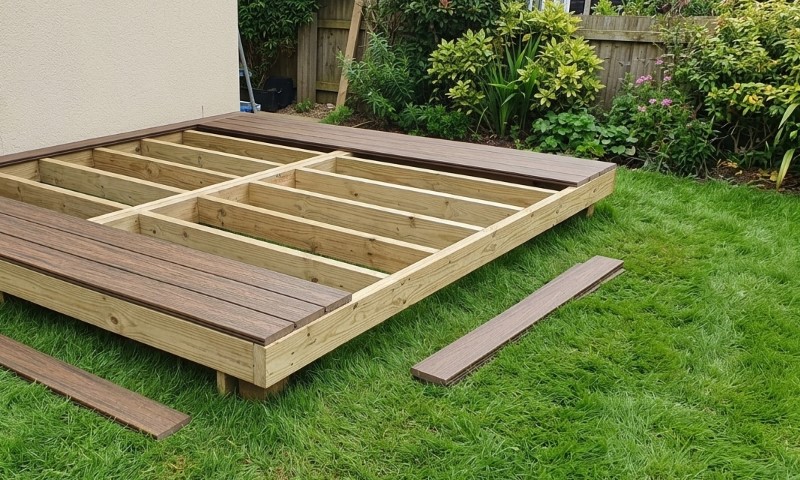
Pressure-treated lumber generally provides the lowest upfront price. Composite decking reduces maintenance requirements but costs more to purchase.
Ask contractors to quote both options using the same dimensions and structural specifications. Compare the upfront prices alongside expected maintenance costs.
Deck-building demand typically increases ahead of the warmer months.
Some contractors offer more competitive pricing during slower periods, particularly in fall or winter. Availability and weather conditions vary by region, so ask local contractors about scheduling discounts.
Request estimates from at least three contractors and confirm that each includes comparable work.
Pay particular attention to foundations, framing, decking, railings, stairs, debris removal, permits, and cleanup.
A quote that’s thousands of dollars cheaper isn’t much of a bargain if essential work gets added later.
Changing your deck’s location, dimensions, or structure after work begins can increase costs.
Check setbacks, property boundaries, HOA requirements, and permit rules before purchasing materials or scheduling construction.
Our advice is to save money through smarter planning and simpler design, not by reducing the quality of structural supports or safety features.
Many deck construction projects require a building permit, particularly when the structure is attached to the house, elevated, or large.
Permit fees commonly range from $230 to $500, although local charges can be higher.
Small, freestanding, low-height decks are exempt from building permits in certain jurisdictions. However, permit exemptions don’t automatically remove zoning, setback, or HOA requirements.
For a detailed explanation, read our guide to deck building permit requirements.
Your building department may request a site plan, structural drawings, and elevations.
For example, Portland’s deck permitting requirements distinguish between these drawings. The site plan identifies the deck’s location on the property, structural plans describe its construction, and elevations show its height.
At Get a Site Plan, we prepare non-certified site plans for deck permits showing proposed deck locations, dimensions, approximate property lines, and setbacks.
Our plans are prepared online, generally without a site visit, with delivery options starting at 6–24 hours. The local authority determines whether a non-certified plan is acceptable. Structural engineering drawings or a licensed survey may be required separately.
If your property belongs to a homeowners association, you might also need a site plan for HOA approval before construction.
A properly designed and maintained deck can add resale value, although homeowners shouldn’t expect to recover every dollar spent.
According to Zonda’s 2025 Cost vs. Value Report, the national averages for two common deck additions were:
| Project | Average Job Cost | Estimated Resale Value Added | Cost Recouped |
| Wood deck addition | $18,263 | $17,323 | 94.9% |
| Composite deck addition | $25,096 | $22,199 | 88.5% |
These are 2025 benchmark figures from Zonda, not 2026 construction quotes or guaranteed resale returns.
The findings suggest that homeowners shouldn’t automatically choose the most expensive material expecting the highest percentage return.
Deck size, condition, local climate, neighborhood expectations, and buyer preferences all influence resale value.
A 12 × 12-foot deck contains 144 square feet and costs approximately $4,320 to $8,640 at the standard 60 installed price range. Premium materials, stairs, and complex foundations can push the total higher.
A 400-square-foot deck costs approximately $12,000 to $24,000 using the same standard pricing range. Large composite decks with extensive railings and custom features can cost more.
A small, rectangular, ground-level deck constructed with pressure-treated wood is usually the cheapest option. Its simple layout and affordable decking materials help keep construction expenses low.
Prefabricated deck kits can reduce design work and installation time for simple structures. However, the total price depends on included materials, foundations, labor, delivery, and whether the kit meets local requirements. Compare complete installed costs rather than kit prices alone.
A simple deck can take several days to construct once materials are available and the site is ready. Larger or more complicated projects can take several weeks. Permit reviews, inspections, weather, and contractor availability can extend the overall timeline.

Planning a home addition, building a garage, or installing a swimming pool usually involves more than deciding where the new structure should go. You also need to show how the
Adding a room to your house costs approximately $48,000 on average in 2026, with many homeowners spending between $20,900 and $72,600. Larger additions, bathrooms, and primary suites can cost considerably

A general contractor manages the construction side of a project from pre-construction through completion. The job usually includes coordinating subcontractors, ordering materials, managing schedules, handling inspections and permits when required
